
The evolution of gambling A journey through history and culture
The Origins of Gambling
The practice of gambling can be traced back to ancient civilizations, where it played a significant role in cultural and social activities. The earliest evidence dates back to around 3000 BC in ancient China, where games of chance using tiles were popular. Similarly, the Babylonians and Egyptians had various gambling activities, showcasing that the urge to wager and take risks has been an intrinsic part of human nature for millennia. In today’s landscape, you can find options such as uk online casinos not on gamstop, highlighting the contemporary evolution of this age-old pastime.
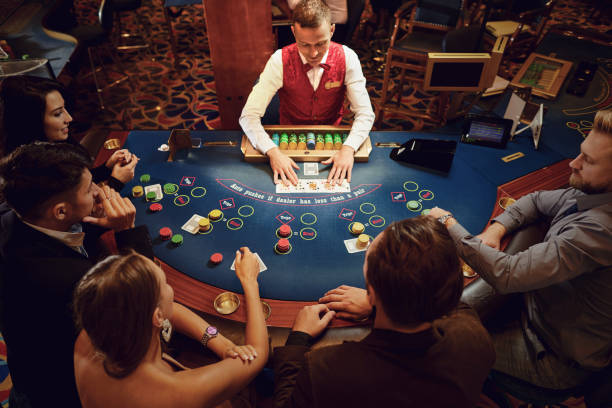
As civilizations evolved, so did gambling. The Greeks and Romans introduced structured games with rules and strategies. They held public gambling events, making it a social activity that integrated into their daily lives. This early evolution laid the groundwork for the more organized forms of gambling we see today, such as lotteries and betting systems.
The Middle Ages and Gambling’s Transformation
During the Middle Ages, gambling experienced a significant shift. With the rise of the church, many forms of gambling were outlawed, yet it persisted in various forms. Card games became popular among the nobility, allowing for a blend of chance and skill. The introduction of playing cards in Europe from Asia opened new avenues for gambling, leading to the development of games that remain popular today.
Despite restrictions, clandestine gambling continued to thrive. This underground culture saw the emergence of informal betting systems and social games, which would later influence the establishment of regulated gambling venues. The clandestine nature of gambling during this era reflects society’s complex relationship with games of chance, balancing morality with the thrill of risk.
The Rise of Modern Gambling
The 18th and 19th centuries marked the formalization of gambling with the establishment of casinos and betting houses. In Europe, venues began to adopt strict regulations and offer a variety of games, such as roulette and blackjack, attracting the upper classes and eventually the masses. The luxury of casinos provided not only a place to gamble but also a social hub for entertainment.
During this period, the concept of gambling began to intertwine with national identity. Countries promoted their own forms of betting and gaming, leading to international competitions and the birth of modern lotteries. This era was crucial in shaping gambling as a legitimate form of entertainment, which would later become a significant economic sector worldwide.
Gambling in the Digital Age
The advent of the internet revolutionized gambling, making it more accessible than ever. Online casinos and betting platforms emerged in the late 1990s, allowing players to engage in their favorite games from the comfort of their homes. This shift created a global gambling community that transcended geographical boundaries, offering a vast array of gaming options.
Moreover, advancements in technology have introduced innovative gaming formats, such as live dealer games and mobile gaming apps. This evolution has led to a new generation of gamblers who favor convenience and variety, reflecting modern society’s changing attitudes toward gambling. The digital age has not only changed how people gamble but has also influenced cultural perceptions of gambling itself.

Ensuring Safe Gambling Experiences
As gambling continues to evolve, ensuring a safe and secure environment for players remains paramount. The digital platforms that offer online gambling have implemented advanced security measures to protect user data and ensure fair play. This focus on safety allows players to enjoy their gaming experiences without the worry of potential online threats.
Furthermore, many websites offer guidance and resources for responsible gambling, emphasizing the importance of playing within one’s limits. This commitment to user safety and education reflects a growing awareness of the implications of gambling in contemporary society, fostering a culture where enjoyment and responsibility coexist.