
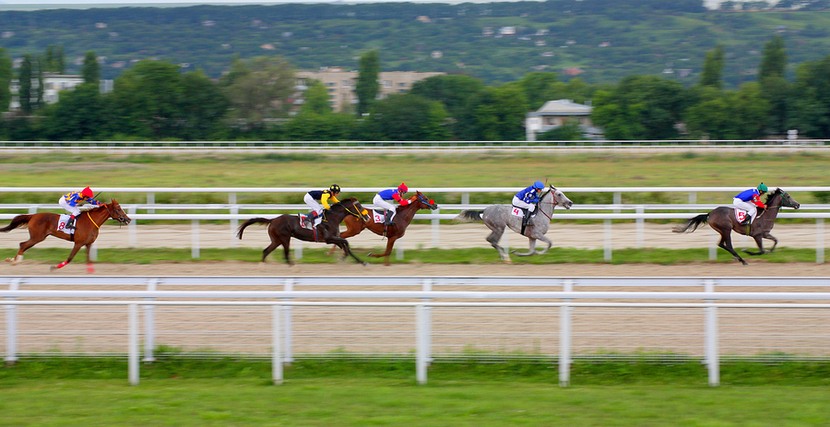
When it comes to horse racing, most fans gravitate towards the famous tracks, such as Churchill Downs or Ascot. However, there are many horse racing sites not on GamStop Merseyside Mounted horseback racing sites that don’t get the same recognition but offer equal excitement, unique experiences, and a deeper connection to the sport. In this article, we will delve into some of these hidden gems, showcasing their unique characteristics and what makes them worthwhile destinations for horse racing enthusiasts.
1. The Allure of Local Racecourses
While large venues are often home to major races and larger-than-life events, local racecourses provide an intimate atmosphere where fans can engage more closely with the sport. Courses like the Ffos Las Racecourse in Wales and the Perth Racecourse in Scotland operate on a smaller scale yet offer distinctly captivating experiences. Ffos Las is known for its picturesque setting and friendly vibe, while Perth, one of Scotland’s oldest racecourses, combines rich history with a wonderful racing experience.
2. Historical Tracks with Cultural Significance
There are horse racing sites that hold historical significance and offer fascinating glimpses into the past. The Charles Town Races in West Virginia, for example, have been around for centuries and reflect the history of American horse racing. It provides a nostalgic atmosphere, often incorporating events that celebrate its rich heritage. Meanwhile, the Saratoga Race Course in New York boasts a refined elegance and has been a Mecca for horse racing fans since 1863, with its historic buildings adding to its charm.
3. Harness Racing Venues: An Underrated Art
While thoroughbred racing often steals the spotlight, harness racing venues such as the Pocono Downs and the Meadowlands Racetrack deserve attention. Harness racing involves standardbred horses, and watching these powerful animals compete can be thrilling. The atmosphere at these tracks is electric, with electrifying races and passionate fans creating an unforgettable experience. It’s an entirely different style of racing that can captivate both seasoned enthusiasts and newcomers alike.
4. Seasonal Racing Festivals
One of the lesser-known aspects of horse racing is the multitude of seasonal festivals held across various tracks. Events such as the Keeneland September Yearling Sale—a month-long event in Lexington, Kentucky—attract visitors worldwide. This venue offers more than just betting; it serves as a hub of social interaction among horse trainers, jockeys, and horse lovers, thus enriching the overall experience. These events are ideal opportunities for fans to connect with the horses’ breeding, owners, and their stories.
5. Exotic Racing Locations: A World Beyond Borders
Traveling abroad can introduce fans to unique horse racing experiences that differ vastly from their local ones. For instance, the racing tracks in Dubai, such as Meydan Racecourse, merge grand spectacle with unparalleled competition, showcasing the finest Arabian horses in lavish settings. Moreover, the horse racing culture in Australia, especially during events like the Melbourne Cup, provides a vibrant scene and a distinct racing environment that is steeped in local tradition.

6. The Rise of Online Racing Platforms
In the digital age, many lesser-known horse racing sites have emerged online, offering comprehensive betting options and information about various tracks rarely publicized. Websites dedicated to niche racing events make it possible for fans to follow local races and betting tips without having to visit the actual venue. Platforms like Betfair and TwinSpires allow users to experience the thrill of racing from the comfort of their homes, making it easier than ever to engage with previously overlooked events.
7. Building a Community: The Role of Local Clubs
In many regions, local horse racing clubs play a pivotal role in promoting the sport. Clubs often organize smaller meets that, while not always high-profile, create a sense of community among horse racing fans and owners. Attending events at places like the Leicestershire Racecourse offers fans a chance to meet trainers, socialize with likeminded individuals, and learn more about the intricacies of horse racing. Local clubs provide a warm environment that reinforces the sport’s community aspects while fostering a deeper appreciation for horse racing culture.
8. The Environmental Impact of Racing Sites
In conversation about horse racing, it is essential to talk about sustainability and the impact that racing venues have on the environment. Many of the smaller tracks are investing in sustainable practices to minimize their ecological footprint. From implementing water conservation measures to enhancing the surrounding landscapes, the commitment to eco-friendly practices helps preserve these sites. The attention to environmental issues can deepen our respect for the sport, encouraging fans to champion tracks that prioritize sustainability.
Conclusion: Discovering the Hidden Treasures of Horse Racing
While major racing events tend to attract the most attention, the world of horse racing is vast and diverse. Many lesser-known tracks and venues provide equally thrilling experiences often overshadowed by the giants in the industry. By exploring these hidden gems, fans can gain a richer understanding of the sport, connect with its history, and engage

with the horse racing community in new and exciting ways. So next time you’re planning a racing day or a trip, consider venturing off the beaten path, as you might just discover your new favorite horse racing site.